A crypto exchange rate API returns one venue's price view, not a universal rate, so use it for alerts and display but pair it with a cross-venue check and staleness guard before accounting use. Store the source timestamp with each value, respect per-IP weight limits and 429 or 418 responses, and serve a flagged last value instead of a guessed one during outages.
- A single-venue rate is safe for dashboards but needs a cross-venue check before it reaches accounting or settlement.
- Binance documents ticker price weight of one per symbol and two when every symbol is requested.
- Record the venue timestamp and your receive time so any value past your stale budget is flagged.
Why One Venue Rate Is Never the Whole Answer
A crypto exchange rate API returns a price for one pair on one venue, such as BTC/USDT on one exchange. That price may be the last trade, the midpoint of the best bid and ask, or a venue index. Each choice behaves differently when the order book is thin.
So decide early which internal actions may trust a single venue. Alerts and dashboards usually can. Balances, invoices, and margin checks usually cannot.
That line is your failure boundary.
How Rate Data Flows and Who Owns It
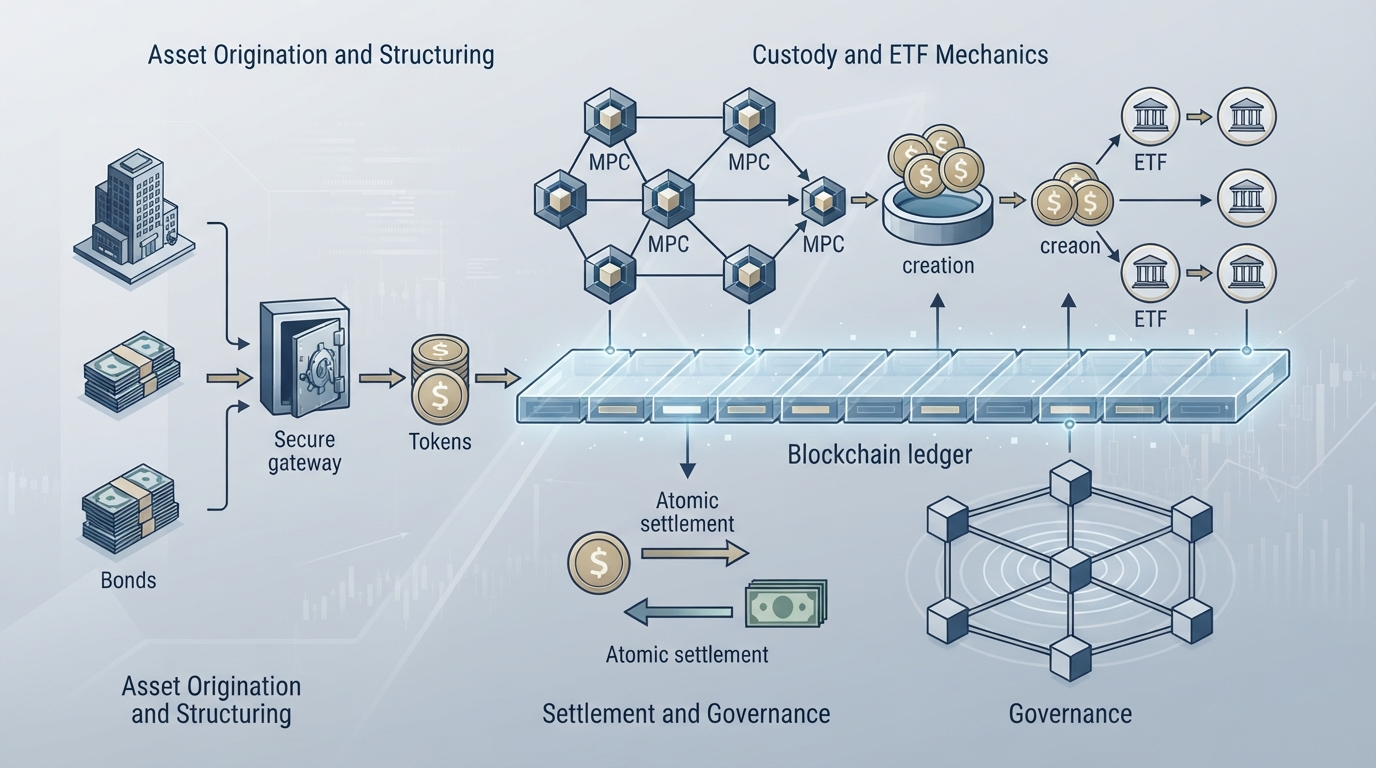
Split the path into four jobs and give each one an owner. A fetcher calls the public endpoint and stores the raw payload. A normalizer maps the venue symbol to your pair name and scales both sides to fixed decimals.
A store keeps the value with two clocks: the venue timestamp and your receive time. A reader serves cached values with a maximum age. Keep exchange calls out of the request path, or a slow venue becomes your outage.
Choices, Failure Modes, and Recovery
- Polling gives simple, timestamped snapshots; a stream is fresher but needs gap checks and resubscribe logic.
- Last trade reacts to one fill, while a bid-ask midpoint is steadier but undefined when a side is empty.
- A cross rate built from two pairs multiplies both feeds' errors, so store each leg price as well.
- Use fixed-point decimals instead of floats whenever a rate feeds balances or limits.
Rate limits set your ceiling. Binance documents a ticker price weight of 1 for a single symbol and 2 when the symbol is omitted, and it counts weight per IP address. Repeated overuse first returns HTTP 429, and continued calls can ban the IP with HTTP 418, with ban lengths scaling from 2 minutes to 3 days.
So back off with jitter, read retryAfter, and trip a circuit breaker instead of retrying hard. When one venue fails, publish the last known value with a staleness flag rather than a guessed number.
Verification and Go-Live Checks
Watch feed age at the 99th percentile, cross-venue spread in basis points, weight used against the limit, and counts of 429 and 418 responses. Replay recorded payloads with an injected clock to prove a stale feed is flagged, and block one venue's endpoint to test failover. Upstream formats can surprise you. The Kraken futures ticker returns every field on each update, even when only one value changed, and its delta messages are throttled to about one per second.
Log raw payloads for a rolling window so you can recheck any rate you published. Before launch, write down the stale budget, the fallback venue order, and who may switch it. Take precision and tick size from each venue's instrument list, never from guesswork.
Sources
- Symbol Price Ticker Binance Open Platform · 2026-09-30
- Binance Spot API Documentation – WebSocket API (community mirror of the official docs) GitHub mirror of Binance Spot API documentation · 2026-09-30
- Ticker – futures WebSocket market data Kraken Developers · 2026-09-30